
I’ve been using Bitcoin for more than a decade, and to be honest, I’m still not entirely clear on all the different Bitcoin wallet address types.
In fact, did you even know there are different formats for Bitcoin addresses? And more importantly, do you know why they exist?
I recently got this message from my Ledger while sending some sats to my hot wallet:
“This transaction saved 26% on fees by upgrading to SegWit and could save 13% more by fully upgrading to native SegWit-Bech32.”
My first thought wasn’t, “Great, I saved a few cents.” It was: “Wait… am I even using the right type of Bitcoin address?”
The goal for me isn’t just to squeeze out a little extra savings on transaction fees. What I really want to know is which address format makes the most sense in the real world—one that’s safe, economical, widely supported, and unlikely to become outdated anytime soon.
As it turns out, this rabbit hole goes deeper than most people think.
Even for someone who’s been around crypto for a long time, it’s not exactly a straightforward topic. So in this article, I’ll do my best to keep things simple, practical, and free of unnecessary technical jargon.
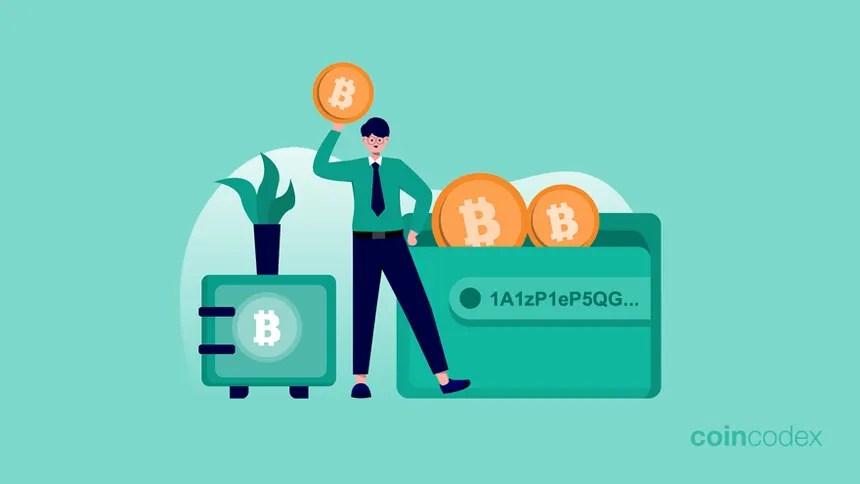
Most Bitcoin users know their wallet address. Few know what type of wallet address they’re using.
The good news? You don’t need to understand the technical details to understand why it matters.
Let’s break it down in plain English.
First: What Is a Bitcoin Address?
Okay, I’m not really going to start there. That should be too basic for you, and hope it is. We (users) know what a Bitcoin wallet address is, we all have one. Dozens, in fact.
The confusing part is that different versions of Bitcoin addresses were introduced over several protocol upgrades, in the span of a decade, to make transactions more efficient and cheaper.
As a result, there are now several different “generations” of Bitcoin addresses. We can call them types or formats, but really, they are just different generations belonging to different Bitcoin upgrades.
The good part is, you can easily tell which one you’re using just by looking at the first few characters. So let me give you the breakdown.
Type #1: Legacy Addresses start with “1”
- Examples:
19TsPAfnjj2ZPErnPhyCrHQyzAsFeV6PBL
17XqKUMXjc8cCKGd11mi8kUcgsrCKjcSyj
1CjBLUo2BVBwdyd2AqDG5yG3XdExo3nHr
These are the original Bitcoin addresses. They still work today, but they’re basically the oldest model on the road. We call them legacy type and you can think of them like driving a car from the 1980s.
Will it get you from A to B?
Yes.
Is it the most efficient option?
Not even close.
Transactions from Legacy addresses tend to be the most expensive because they take up more space on the Bitcoin network. For those who want me to elaborate (if you don’t, just skip this part), this is because in 2017 the Bitcoin network was upgraded to include a new form of writing the data onto each block, whereby more transactions were able to be recorded onto each block, but this was the Segwit upgrade, and before that we had blocks that were filling-up much faster, thus the fees for those blocks became too high. Today, blocks with transactions in Legacy format are still with higher fees for the same reason, thus not the most practical method to use.
Unless you’re using an extremely old wallet, there’s a good chance you’re not using this format anymore. Especially if your coins were acquired after the summer of 2017, you’re most likely already on Segwit. But, there’s more than one Segwit, apparently, so let’s keep going.
Type #2: SegWit Addresses start with “3”
- Examples:
3EwycVhLmZm6KA1MfcHrLUR2ChN7JbJDfZ
34X9Hy8gbTLzd48dMKByyV7Ai7PS2dU95w
3Lcp9WGfGGUc7doc2VuMSxkaokv17sXZQ7
As I mentioned, the SegWit upgrade reduced transaction fees.
Many wallets adopted a compatibility version of SegWit that starts with the number 3.
For years, this became the standard option used by wallets like Ledger, Trezor, and many exchanges. If your address starts with 3, you’re already paying lower fees than users with Legacy addresses.
But Bitcoin didn’t stop evolving there.
Type #3: Native SegWit starts with “bc1q”
- Examples:
bc1qzzyg5z7kl3vxu2d5yjcea6j0al9pewgtmrcxxh
bc1q9sq2t3ecg88d07el9gu8n65hey6625nn9vhyf4
bc1qvspa8lm9vkkpjpmn6dllvjnqmf0eel5npm5jza
This is currently the most common address type recommended for everyday Bitcoin users.
Native SegWit does everything regular SegWit does, but more efficiently.
The result?
Smaller transactions.
Lower fees.
Better use of blockchain space.
This is why wallets sometimes display messages encouraging users to migrate from addresses starting with 3 to addresses starting with bc1q.
The difference isn’t life-changing on a single transaction, but over time it adds up. When someone says “Native SegWit,” they’re usually talking about addresses that start with bc1q, which use the Bech32 format, and which is what that message prompted me to research.
If you’re setting up a new Bitcoin wallet today, this is generally the address type you want.
Type #4: Taproot Addresses (Start with “bc1p”)
- Example:
bc1prw4uggac2qezlngcxms7agcev39v9mcpxc8h2veq6nphq45uk9yqz5xhsp
bc1p0tmx48afjpdu0088xt8y99u4367cdxntsnf39lccmk36zhfhpmrq0m7pak
bc1pf5cg02n5hyj40ksalnl8szl8d9lt7e4ruytpedtdfyx89pyhl6ds0yrhdy
Taproot is Bitcoin’s newest major address format. It’s also the one with the most variables in length and was introduced in 2021 with the Taproot upgrade, which offers additional privacy and efficiency benefits.
For most users, however, the practical difference isn’t huge yet.
You can think of Taproot as the latest smartphone model.
It has some improvements under the hood, but most people won’t notice a dramatic difference in everyday use.
As more wallets and services adopt it, it may become the default standard in the future.
Which One Should You Use?
Here’s the simple version:
Legacy (1…) → Avoid.
SegWit (3…) → Okay.
Native SegWit (bc1q…) → Better choice for most users today.
Taproot (bc1p…) → Arguably the Best (it’s the newest option with extra privacy and most future potential).
Can You Convert/Upgrade Your Existing Wallet?
This is where many people get confused. You cannot simply “convert” Bitcoin already sitting in an old address format. Bitcoin doesn’t work like updating an app.
The coins have to be moved.
If your Bitcoin currently sits in a SegWit address (3…), and you want the benefits of Native SegWit (bc1q…), you’ll need to send those funds to a Native SegWit address you control. This is my case because I last setup my Ledger back in 2017 and haven’t touched it since. What I’m going to do now, is setup a few new wallets, some with Taproot, some with Native Segwit and I will move the coins from that Ledger to have them sitting in more compatible formats for the next decade. I can also just leave them there, but if one day I cannot use that Ledger device, when I import my seed into a new wallet, these older formats might not be featured there – this is already the case. In fact, I tried this with several new devices (Ellipal, Onekey, Tangem) and only my Onekey managed to display my BTC balance correctly. The others were showing me empty balances only. So, this is another really good reason to upgrade your wallets, at least once in a decade, like I’m doing now.
Why Does It Matter
Most Bitcoin users spend a lot of time worrying about market prices and almost no time thinking about wallet formats. With time, some formats can become too outdated and unusable. They will probably not cease to exist, but will be inconvenient and hard to navigate, so for long term holders it is important to keep up to date with the developments in each area of their investments. For Bitcoin this means keeping an eye on the upgrades and any hard forks that can render an older version outdated. It’s not too much to worry about and it’s something that happens only a few times in a decade, so you’ve got plenty of time to find out, research and act accordingly. Now that this post gave you a task, go find out what type of wallets you use and if you need to do anything about it.
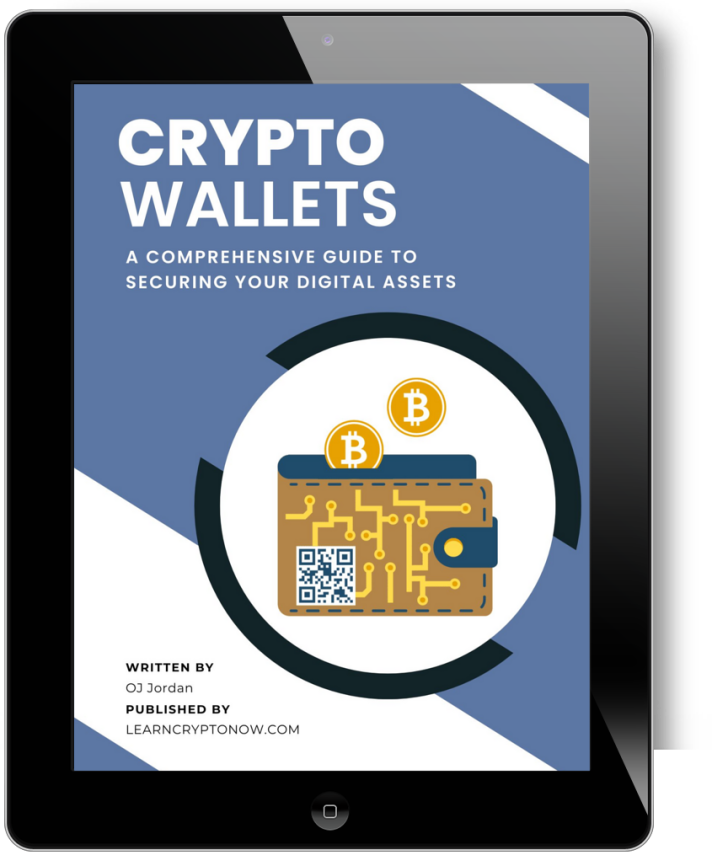
You can also download my eBook guide to all major crypto wallets – hot and cold, I talk about the differences between these, which ones I recommend from my personal experience and I go through all of the top hardware wallets there, so you can make the right choice which is the wallet for you. It’s a free eBook, just get it from this link.
Stay informed and level up your crypto strategy
👉Go to LearnCryptoNow.com for free guides, tutorials and all things crypto

Disclaimer: This article is for informational purposes only and does not constitute financial advice. The content of this post reflects solely my own opinions. Purchasing cryptocurrencies poses considerable risk of losses.
Metamask Is Tracking Your IP and Wallet Address…
CRYPTO CORNER EPISODE 558 Market Analysis, Updates, News & Reviews In today’s episode I discuss the latest hot topics in crypto: ►Metamask Controversy – Is your Wallet Addy being Linked To Your IP Address? ►How To Earn Bitcoin using the Bitget Launchpool (4 days left only, hurry up) ►Win A Hardware Wallet Device from Keystone…

Steel Plates For Seed Phrase Protection | xSeed Plus Review
CRYPTO CORNER EPISODE 449 Market Analysis, Updates, News & Reviews In today’s episode I review my latest purchase – the metal back up for my seed/mnemonic phrases by SecuX. This is a complete kit containing: 3x Stainless steel plates1x Aluminium plates1x Metal letter stamps A to Z1x Engraving pen2x Fraudproof security stickers1x Plate Holder (leather…
My crypto wallet got hacked. All funds gone.
After being in crypto for the last 5 years, today I found out that I became a victim of a cyber attack. A wallet hack to be more precise. I haven’t used my Exodus wallet in many months, possibly more than 8 months actually, so I had a bit of a shock today, when I…


