
I’ll be honest, after a decade in crypto, I thought I understood the ecosystem inside out. I’ve navigated bull runs, bear markets, DeFi explosions, regulatory storms, and everything in between. But nothing prepared me for the moment a company rejected my payment for a car because my wallet was flagged as high‑risk.
And not because I did anything wrong, not because I interacted with shady platforms or stolen coins. My wallet was flagged because someone, at some point, sent me tainted coins.
This happened yesterday.
I’m buying a car with crypto and it’s a large purchase (over $50k), but nothing unusual for someone who has worked in crypto for years and handles digital payments daily. I sent the funds, waited for confirmation, and instead received a message I had never seen before: the company was rejecting my payment because my wallet was flagged as high‑risk.
At first, I assumed it was a mistake. My funds are clean (or so I thought), my activity is transparent, and I’ve always operated well within legal and ethical boundaries. But the issue wasn’t me, but the history of the coins that had passed through my wallet – something I had never thought to examine.
This opened a whole pandora’s box for me.
The invisible contamination of blockchain money
Crypto gives us transparency, but it also gives us permanence. Every coin carries a lineage, a trail of previous owners and previous transactions. When compliance systems analyse a wallet, they don’t distinguish between intention and inheritance. If a coin once passed through a wallet involved in theft, fraud, gambling, trafficking, or any other illicit activity, that risk follows it. It doesn’t matter if the amount was tiny or if it arrived without your consent, the association is enough. I receive crypto from all kinds of places and countries, because I’ve been working with crypto clients for almost a decade at this point. Some of my clients are from Russia, China and Hong Kong, Singapore and of course, Europe and US. But now Russian wallets are banned due to international sanctions and this could be one reason why coins in my wallet appear as “risky”. I might have received them 5 years ago and they weren’t “tainted” back then. Today, they are.
This is how a wallet becomes flagged. Not because you did something wrong, but because someone else did, or because regulators changed the rules and now you’re being flagged.
In my case, I discovered that several payments I received were from wallets with questionable histories. One had interacted with a platform known for weak AML controls. Another was coins that originated from a hacked exchange. Two were from platforms that are now in the banned list due to sanctions on Russia and then there was the most absurd culprit of all: crypto dust – microscopic amounts of tokens sent by scammers using stolen funds, often as part of tracking or phishing schemes. Even dust carries a risk score, and even dust can taint a wallet.
I’ve explained dusting attacks in another post here, but I didn’t know this: every wallet nowadays contains some degree of contamination, especially if you’ve ever used a DEX, swapped tokens on a bridge, or interacted with an exchange that doesn’t enforce strict compliance, and the list goes on.
This is the part nobody tells you. Your coins can be blacklisted without ever knowing it.
When I finally scanned my wallets
After Porsche rejected my payment I freaked out that my coins might be unusable and realised I needed to understand the actual status of all my wallets. I started researching screening tools, looking for something that could quickly analyse a wallet or transaction and tell me whether it carried any risk. As it turns out, there are several services that already do this, they are all paid. The one I found that has the most adequate pricing (and a free tool even) is AMLbot – originally designed as a Telegram bot, but now also with a desktop version and it’s been around since 2018. Where was I all this time? Well, better late than never, right?
I first bought the Lite plan with 100 checks, it costs just $35 so this was a no brainer. I run a few checks but the Lite plan covers just the most commonly used blockchains, so I then decided to upgrade to the Pro plan (for all major blockchains) which is $79, also very affordable. Other platforms charge 290-600 for a yearly plan and I didn’t want to spend that much, I’m not a large corporation with hundreds of transactions daily, so no need to go that far.
So yesterday I scanned twenty of my wallet addresses. Five came back flagged. One came back as blacklisted. Ouch.
Some had high‑risk tokens. Some had dust. Some had exposure from clients. Some had interacted with platforms that regulators now consider problematic.
The shock wasn’t that the contamination existed, but how invisible it had been all this time. And I’m someone who writes about crypto daily. I trade, I do market analysis, I’m an investor for a decade now, and yet, it took me all this time to come across this issue. I hope this will be a wake up call for anyone reading this.
Wallet interfaces don’t warn you. Exchanges don’t notify you. There is no red banner telling you that your funds might be rejected one day. You only find out when a transaction fails, or worse, when your funds become stuck in limbo. I’ve heard many stories from my peers about Coinbase and other regulated platforms freezing funds, one of my friends got almost 9 BTC frozen by Coinbase 6 years ago without any warning or explanation. They never replied to his enquiries, didn’t give him a reason, he never got it back. My accountant even, using Bitpanda, a service I recommended to him, also got funds stuck in his account and they never released them. They didn’t tell him why. I thought these platforms were not user-friendly and stopped using them. I knew about tainted coins but mostly as a concept, not as a first-hand experience.
Now I have that too.
The tightening grip of regulation
What happened to me is becoming increasingly common. As crypto matures, as we start using it for payments more widely, regulators are enforcing stricter AML and KYC standards. Companies, merchants, OTC desks, and even decentralised platforms are integrating automated risk‑scoring tools. They don’t rely on intuition or context – they rely on data.
If your wallet is flagged, you may face delayed or rejected transactions, frozen funds (God forbid), blocked withdrawals, blacklisting from exchanges or services and even mandatory investigations (I’ve had these by several regulated platforms, including Bitpanda which I already mentioned).
And none of this requires wrongdoing on your part. It only requires exposure.
This is why screening your wallets is no longer optional, in my view. It’s part of basic crypto hygiene, just like safeguarding your seed phrase or using cold storage. In fact, cold wallets are the most impacted because they are self-custodial. Nobody controls them but you. So it is your due diligence and duty to check them and make sure they don’t contain tainted funds. This was my case yesterday with Porsche. I was sending my payment from my Ellipal Titan – my most trusted (airgapped) cold wallet. Ellipal does not operate my wallet, so they can’t see what’s in there, they cannot tell me that I had 30% tainted funds inside. I found this after my payment was rejected and I ran the scans with AMLbot. I am now going to check every wallet before sending or receiving funds, and I will start screening wallets that send me crypto too.
I strongly recommend that anyone who handles crypto – especially freelancers, business owners, traders, or creators who receive payments from multiple sources. Scan your wallets now. Not later. Not when a transaction fails. Now.
Because in a few years, the landscape will be far more restrictive. Wallets will be screened everywhere. Compliance thresholds will be higher. And the ability to fix a flagged wallet may not be as accessible as it is today. Many exchanges are still taking your coins regardless what’s their status because they aren’t yet pressured by the system that much. But this will not be for too long. Some exchanges, like Coinbase and Bitpanda are already under severe pressure by regulators, it won’t be long before all top platforms are forced to screen your coins when you deposit and then what? If you’re wondering how I managed to sort out my issue, I’ll share this in my next post because this article is already becoming too long for the short attention span most readers have now.
So, I’ll leave you at this cliff-hanger today, but my message is clear: take action NOW. Don’t sleep on it. If you want to use the same service I did – AMLbot, here’s the link.
You can also choose another one, it’s entirely up to you.
Just pick one and take action. You can still act before regulators act for you.
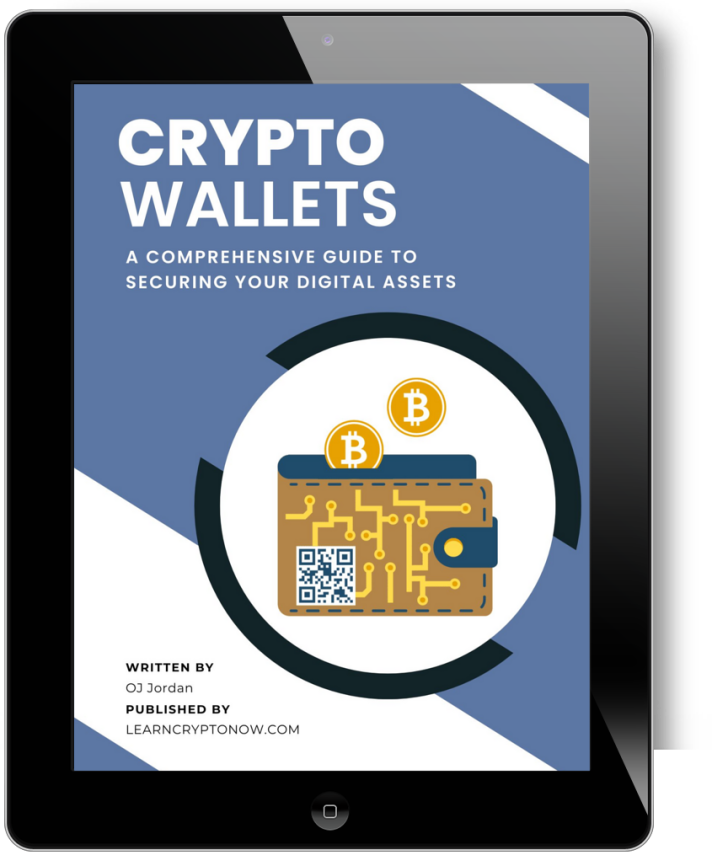
You can also download my eBook guide to all major crypto wallets – hot and cold, I talk about the differences between these, which ones I recommend from my personal experience and I go through all of the top hardware wallets there, so you can make the right choice which is the wallet for you. It’s a free eBook, just get it from this link.
Stay informed and level up your crypto strategy
👉Go to LearnCryptoNow.com for free guides, tutorials and all things crypto

Disclaimer: This article is for informational purposes only and does not constitute financial advice. The content of this post reflects solely my own opinions. Purchasing cryptocurrencies poses considerable risk of losses.
Metamask Is Tracking Your IP and Wallet Address…
CRYPTO CORNER EPISODE 558 Market Analysis, Updates, News & Reviews In today’s episode I discuss the latest hot topics in crypto: ►Metamask Controversy – Is your Wallet Addy being Linked To Your IP Address? ►How To Earn Bitcoin using the Bitget Launchpool (4 days left only, hurry up) ►Win A Hardware Wallet Device from Keystone…

Steel Plates For Seed Phrase Protection | xSeed Plus Review
CRYPTO CORNER EPISODE 449 Market Analysis, Updates, News & Reviews In today’s episode I review my latest purchase – the metal back up for my seed/mnemonic phrases by SecuX. This is a complete kit containing: 3x Stainless steel plates1x Aluminium plates1x Metal letter stamps A to Z1x Engraving pen2x Fraudproof security stickers1x Plate Holder (leather…
My crypto wallet got hacked. All funds gone.
After being in crypto for the last 5 years, today I found out that I became a victim of a cyber attack. A wallet hack to be more precise. I haven’t used my Exodus wallet in many months, possibly more than 8 months actually, so I had a bit of a shock today, when I…


