
This week the Cointelegraph reported that US authorities have seized over $600,000 in cryptocurrency linked to a phishing campaign that targeted users of Ledger wallets.
While this may sound like a direct attack on hardware wallet security, the reality is more nuanced-and more important for crypto investors to understand.
What Actually Happened?
The attack wasn’t a hack of Ledger devices.
Instead, attackers used phishing techniques, tricking users into:
- Entering their recovery seed phrases
- Connecting to fake wallet interfaces
- Approving malicious transactions
Once a user exposes their seed phrase, no hardware wallet can protect them.
I am not trying to downplay the danger that is constantly luring for Ledger users. The company’s database has been hacked several times already and more than half a million customers’ data (names, emails, addresses) has been stolen from Ledger’s books, and these customers have been under continuous attacks for many years now. Fake devices have been manufactured and sold on Amazon and other websites, which effectively wiped out many a customers’ Bitcoin holdings.
Not to mention their controversial “Seed Reversal” tool for extracting a seed phrase from a wallet that they implemented 4 years ago, which was a deal breaker for many of us OGs, who have been Ledger customers since the early days.
I bought my Ledger in 2017 and I still keep that device, but I am no longer keen on Ledger products. And the phishing attacks on a daily basis are another deterrent for me and many of my peers.
This is also valid for Trezor users. I am one, my first Trezor was also from 2017, and I still have that device, but I’m getting fake emails about 3 times a day. Each of these is “warning” me about my details being leaked and that I need to check if my trezor is safe (with links of course). Had I been any less informed about the dangers, I would have been a victim of these attempts long ago.
The Real Problem: Human-Level Vulnerabilities
This incident highlights a key truth in crypto security: Your wallet is only as secure as your behavior.
Even the most secure hardware wallet becomes useless if you store your seed phrase digitally; if you enter it on a phishing website, or if you fall for fake emails/ apps. And there have been too many of those.
That said, not all hardware wallets are equal when it comes to minimizing these risks.
Why Some Wallets Reduce Phishing Risk Better Than Others
Different wallets take different approaches to security. Some rely heavily on user awareness. Others reduce interaction complexity. Some eliminate seed phrases entirely.
This is where other wallets stand out.
I’ve tested and reviewed all the best hardware wallets out there and for many years I have been posting tutorials and analyses of the top devices currently on the market and here I will propose three safe alternatives to Ledger and Trezor. By safe I mean, not only they are ultra-secure (some use more advanced cryptographic chips, others use air-gapped design for the ultimate protection), but also, these are companies that aren’t yet too popular with the scammers, so they don’t get phishing attacks like Ledger and Trezor do.
Comparing Safer Alternatives:
1. Ellipal Titan Series
The Ellipal Titan 2.0 and Titan Mini are fully air-gapped cold wallets designed to keep your crypto completely isolated from online threats.
Unlike traditional hardware wallets, these devices have no USB, Bluetooth, or WiFi connections, and sign transactions using QR codes, meaning your wallet device never directly connects to the internet (ELLIPAL).
Combined with a sealed metal body, secure element chip, and anti-tamper protections, this design makes it extremely resistant to both remote hacks and physical attacks which is why Ellipal is considered one of the safest options for long-term crypto storage.
Why it stands out:
- Fully air-gapped (no WiFi, Bluetooth, USB, or NFC)
- QR-code transaction signing (offline-only communication)
- CC EAL5+ secure element chip (bank-grade protection)
- Anti-tamper design with self-destruct/data wipe on breach.
If the device is stolen or found and force entry is attempted, it will automatically self-destruct, meaning nobody else can use it. Your coins are stored on the blockchain, so as long as you are in possession of your seed phrase, you can input that into a new device to access your coins. This is why I use 2 or 3 devices with the same seed (as backups).
👉 Best for: Long-term holders who prioritize maximum isolation
2. OneKey Pro
This is a wallet I bought to replace an old Trezor that malfunctioned and I’ve been very impressed with the Pro device. It’s an opensource device that originally forked the Trezor code (also open source) and added improvements to it. The brand is from Hong Kong and it’s been the leader in Asian markets for several years now. You can see my detailed review here.
Why it stands out:
- Open-source firmware (more transparency)
- Air-gapped usage options
- Clean, intuitive interface reduces user mistakes
Security edge:
- Easier transaction verification
- Less confusing UX = fewer phishing risks
👉 Best for: Users who want a balance between security and usability
3. Tangem Wallet
This brand was the first one to bring us a card-size wallet that looks and feels like any ordinary bank card, but with the smart tech that makes it way more than a card. It uses NFC connectivity and all you do is tap it to your phone for authorising transactions and other operations. Tangem also brought us the first wearable cold wallet in the form of the Tangem Ring, another super cool and discreet wallet that I carry with me everywhere I travel. See my full review of the Tangem Card wallet here and for Tangem Ring here.
Why it stands out:
- No seed phrase required (optional backup model)
- Uses NFC cards instead of traditional devices
- Extremely simple UX
Security edge:
- Removes the #1 phishing target: seed phrases
- Ideal for non-technical users
👉 Best for: Beginners or users who want “set and forget” security
Ledger vs Alternatives: The Key Difference
Let’s be clear: Ledger is still a secure hardware wallet, but it relies heavily on proper user behaviour, seed phrase protection and awareness of phishing threats.
Meanwhile Ellipal Titan minimizes connectivity risks, Tangem Wallet reduces seed phrase exposure and OneKey Pro improves transparency and usability, so each of these alternatives brings something extra, something that makes them more appealing to me over Ledger.
What To Do?
Regardless of which wallet you use, never enter your seed phrase online, absolutely ignore any emails claiming to be from wallet providers, even if they were genuine, do not click on any links, you will find any important information or alerts/notifications in your account, so emails are just alerts, but never a trusted source for links.
Double-check URLs and apps to make sure you’re using the legit sites – ideally, you will bookmark every site you use, so you never have to search, but always have the correct URL handy.
And consider splitting funds across multiple wallets. I use 6 different accounts with at least 2 devices for each, some even 3. This way I have backups in different locations where I have houses.
Choosing the right wallet isn’t just about security features – it’s about reducing the chances you make a costly mistake.
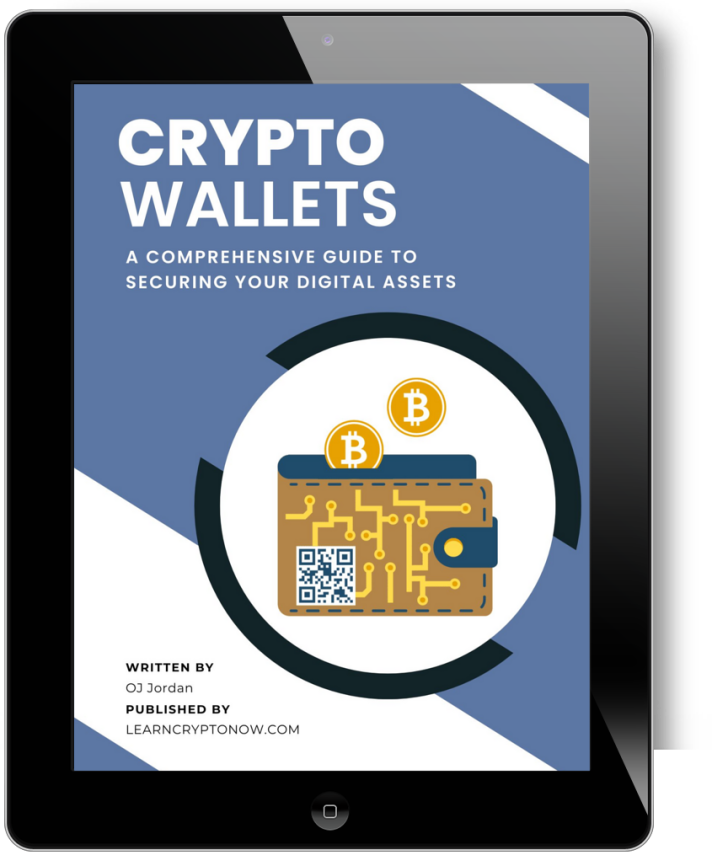
You can also download my eBook guide to all major crypto wallets – hot and cold, I talk about the differences between these, which ones I recommend from my personal experience and I go through all of the top hardware wallets there, so you can make the right choice which is the wallet for you. It’s a free eBook, just get it from this link.
 👉 Sign Up for the Crypto Corner Newsletter and join 10,000+ users to receive my monthly updates and market analysis and keep up to date with the latest releases and developments in the crypto arena.
👉Go to LearnCryptoNow.com for free guides, tutorials and all things crypto

Metamask Is Tracking Your IP and Wallet Address…
CRYPTO CORNER EPISODE 558 Market Analysis, Updates, News & Reviews In today’s episode I discuss the latest hot topics in crypto: ►Metamask Controversy – Is your Wallet Addy being Linked To Your IP Address? ►How To Earn Bitcoin using the Bitget Launchpool (4 days left only, hurry up) ►Win A Hardware Wallet Device from Keystone…

Steel Plates For Seed Phrase Protection | xSeed Plus Review
CRYPTO CORNER EPISODE 449 Market Analysis, Updates, News & Reviews In today’s episode I review my latest purchase – the metal back up for my seed/mnemonic phrases by SecuX. This is a complete kit containing: 3x Stainless steel plates1x Aluminium plates1x Metal letter stamps A to Z1x Engraving pen2x Fraudproof security stickers1x Plate Holder (leather…
My crypto wallet got hacked. All funds gone.
After being in crypto for the last 5 years, today I found out that I became a victim of a cyber attack. A wallet hack to be more precise. I haven’t used my Exodus wallet in many months, possibly more than 8 months actually, so I had a bit of a shock today, when I…

 Crypto-Corner